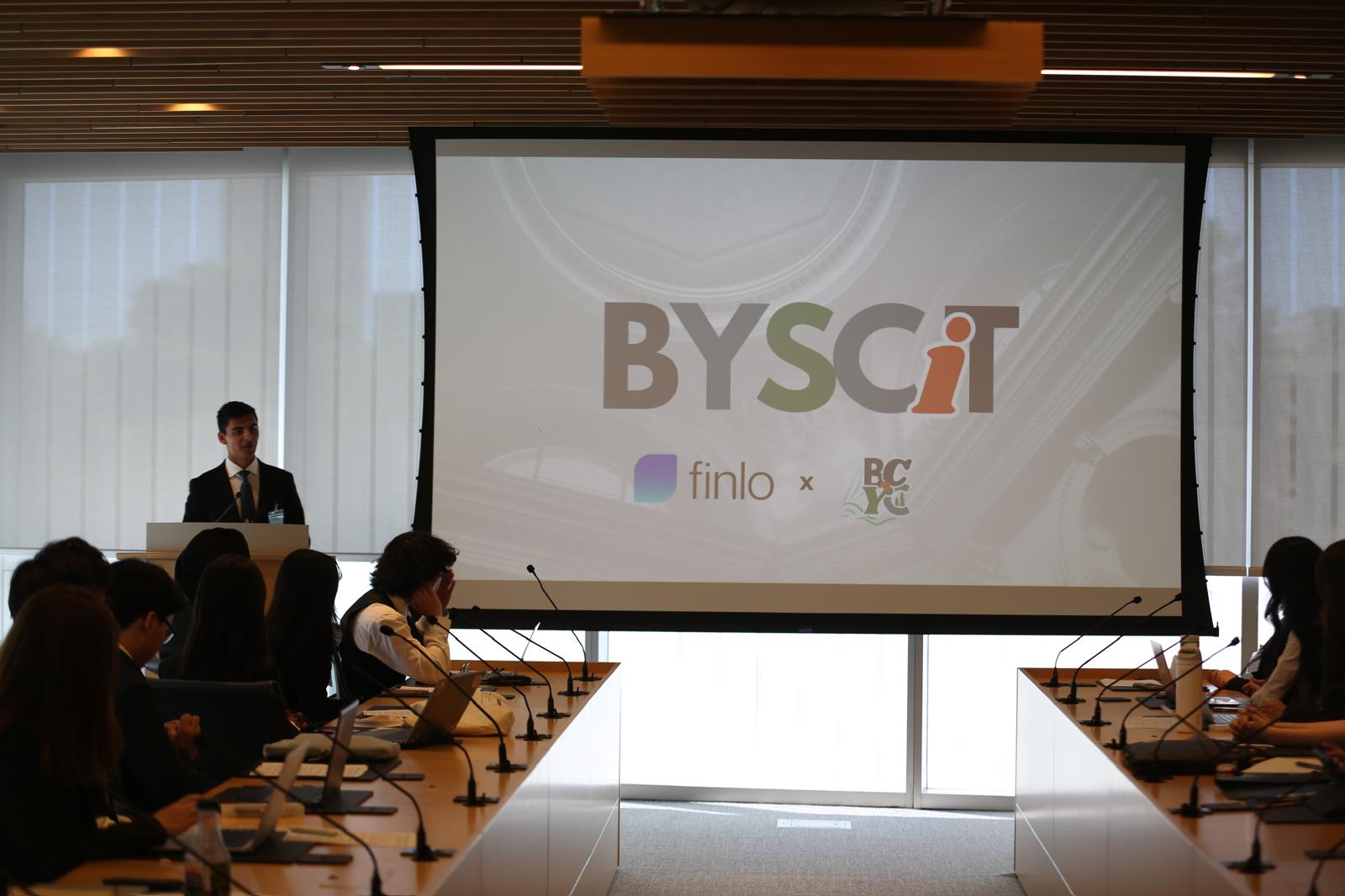
Finlo AI

An AI financial analyst for the small businesses that cannot realistically hire a CFO.
I started Finlo with Evelyn, my co-founder from XChange, after watching my own father run into the exact problem we ended up building around. He owns a small business, and the accounting software he pays for digitizes financial complexity without ever reducing it. He could not get a straight answer out of his own books without hours of digging, and hiring a CFO was never realistically on the table for a company his size. The gap was not a lack of data. It was that nothing intelligent was being done with it, and it felt personal enough that I could not put it down.
Finlo is now analyzing $51.3 million in revenue for our active users, most of whom stay on the premium plan. As CEO I lead product and strategy — including the integration work behind GPT-5, Claude, and QuickBooks — and I send a biweekly update to the whole team and our advisors that tracks traction, team performance, and the pivots we got wrong. Writing those updates honestly is the single habit that has kept the company legible to itself.
The team is forty people spread across several countries, and the student leaders who built the early version of it are now at UCLA, Waterloo, UNC, Western, and SFU. Our board of advisors comes from McKinsey, Morgan Stanley, Google, Dell, Microsoft, Shopify, and the U.S. Department of the Treasury — people who agreed to spend time on a company run by high school students, which I have never taken lightly.
I designed and launched the summer internship program, which drew more than 515 organic applications for 37 places. Reading through them was its own education: hundreds of students describing work they had already done, most of whom I could not take. It made me careful about how I write rejections.
None of it came for free. Convincing a business owner to connect their financial data to a platform built by teenagers took total transparency about how we handle security, and a great deal of patience answering the same reasonable question over and over. I do not think there was a shortcut around that, and I would not want one.

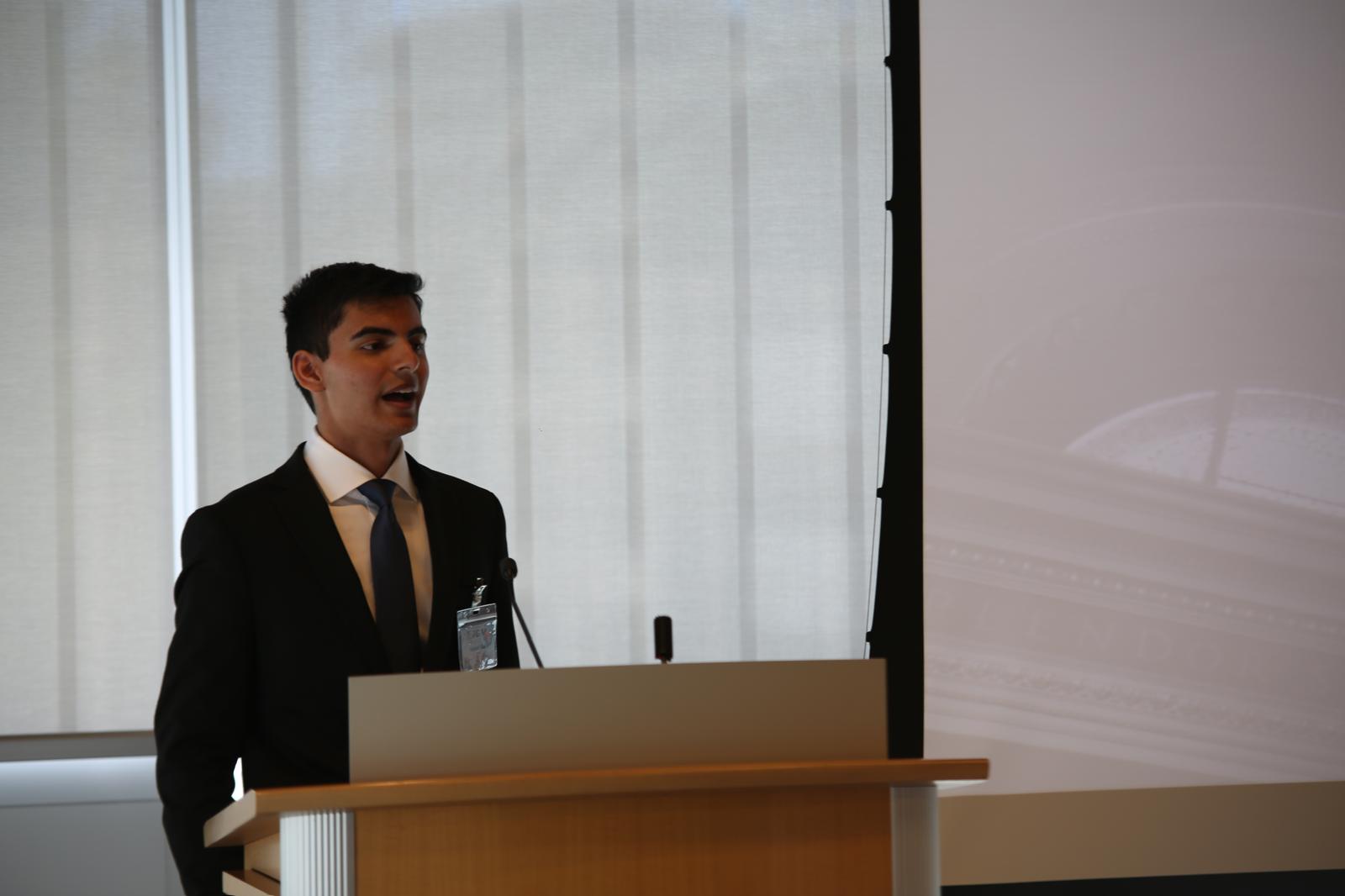
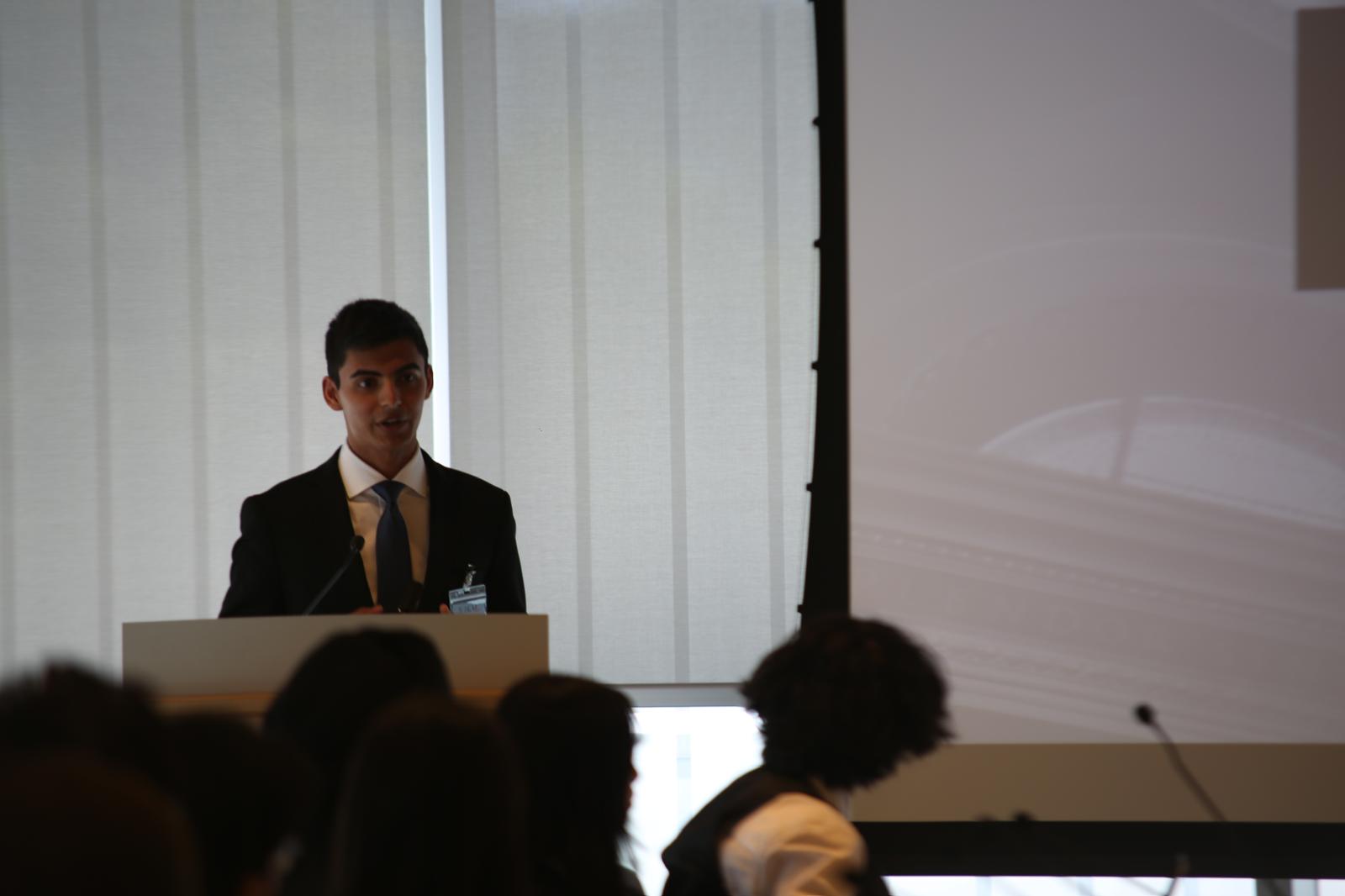

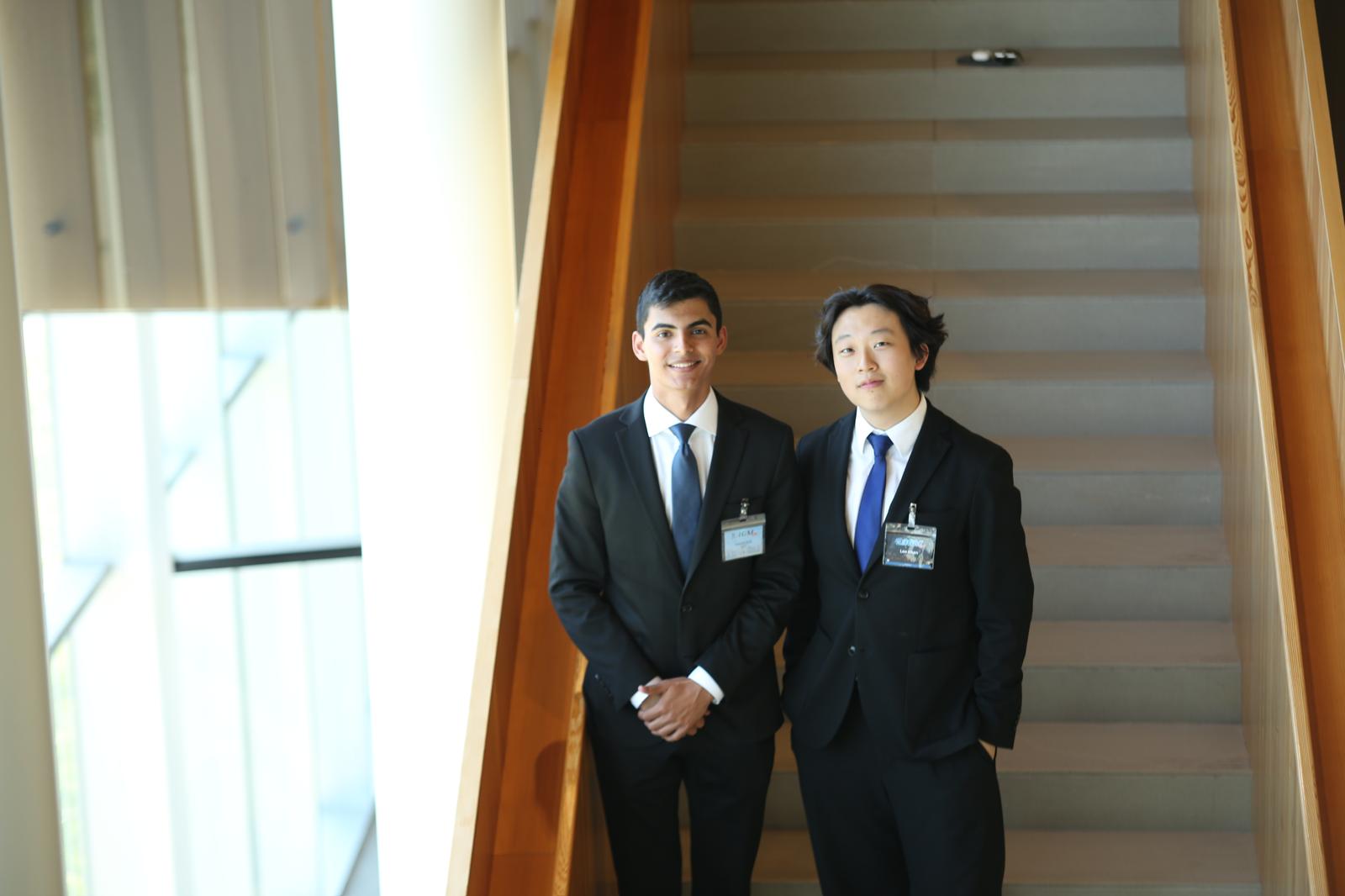
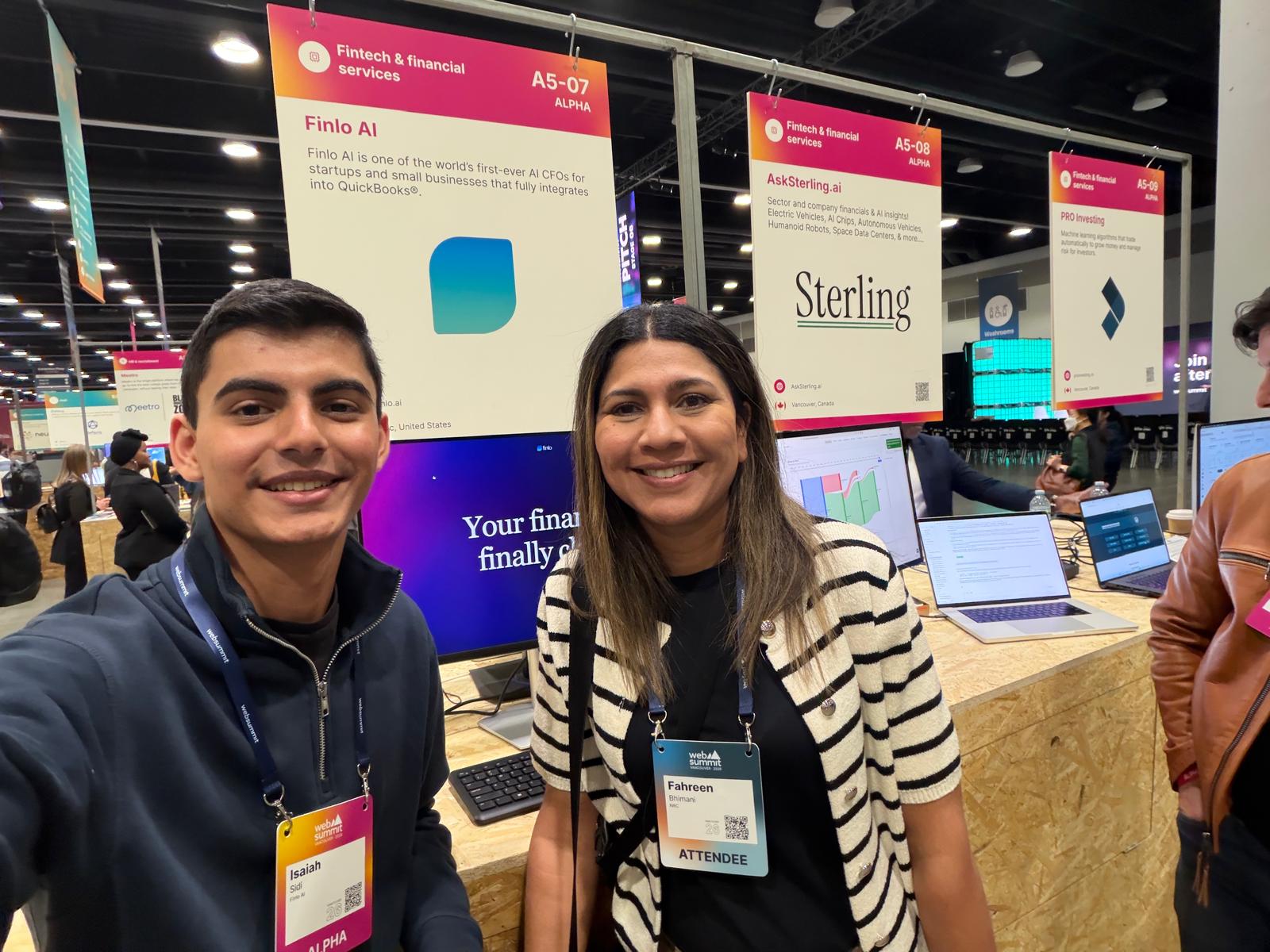
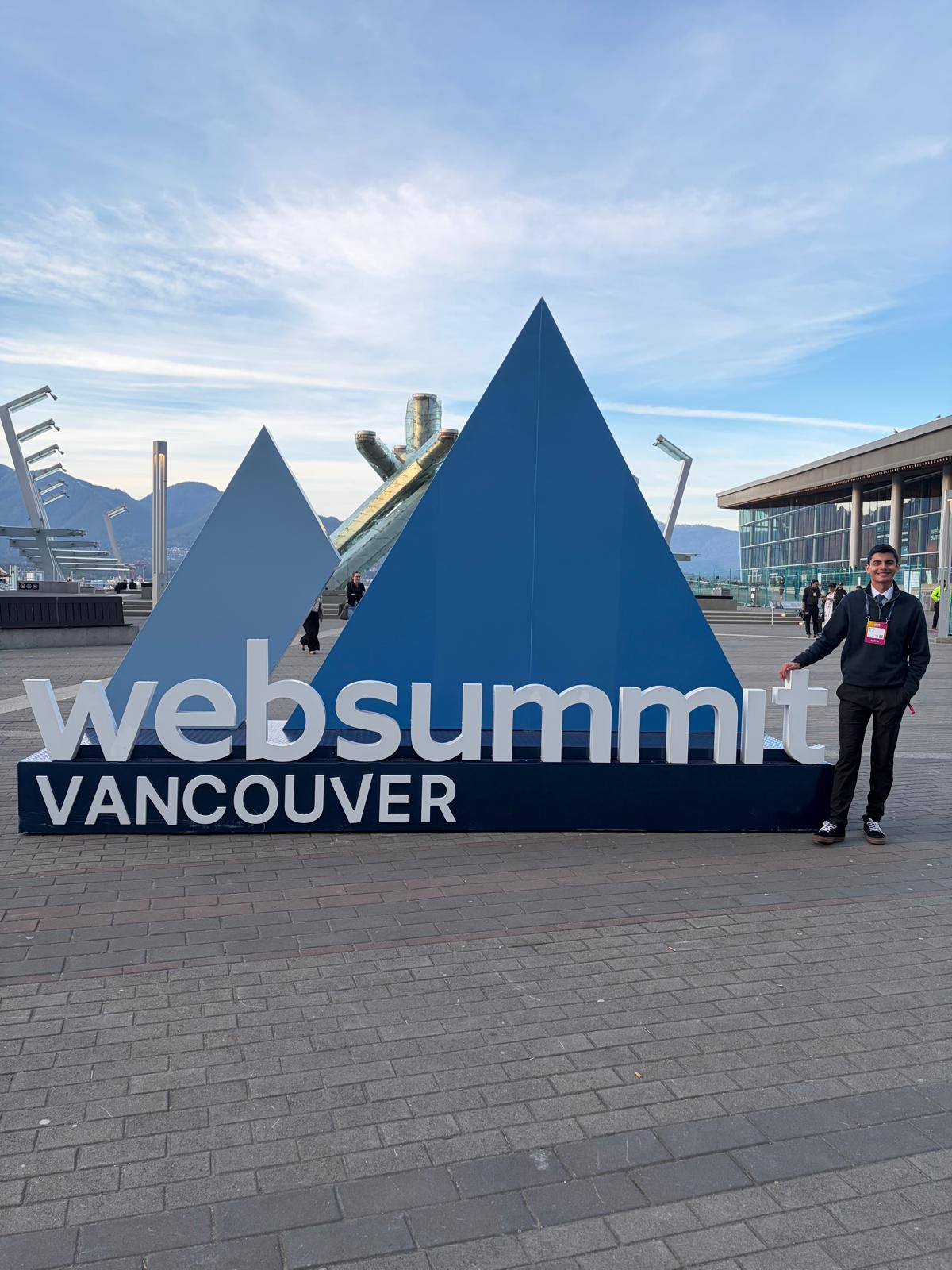

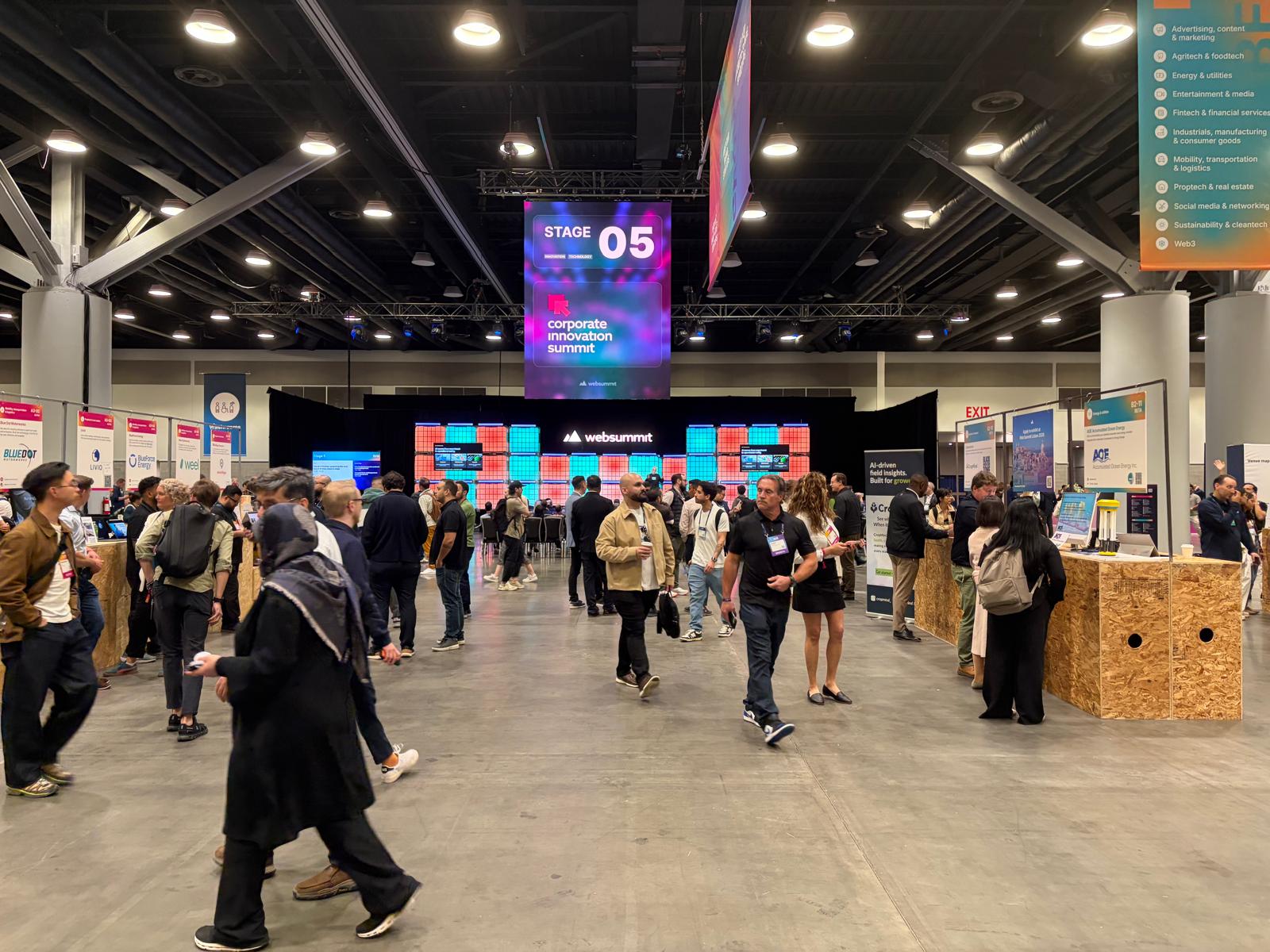
This is where I learned discipline. After XChange I knew six co-founders was too many, so Finlo runs on two, with a five-person core group making decisions, and we moved off one chaotic Discord channel onto separated workstreams with clear owners. When user growth stalled completely with exams approaching, I called a planned two-week break rather than watch the team quietly burn out — the same slow fade that had hurt XChange — and we came back with everyone still in. At Web Summit I also learned to name what I now call AI fluff: most booths there wrapped a thin interface around a language model and called it innovation. The test I keep applying to our own work is simple, and it is not flattering to fail. What does this actually do for someone, if I am not allowed to say the word AI?
Keep reading
Financial Technology Entrepreneurship
- TEDEd Vancouver — booth
Social Entrepreneurship

Publishing & Media
- UN Headquarters, New York — delegation
Global Policy & Advocacy
- MUN club, Grandview Heights
Debate & Access
- IPN Summit Houston — on stage
Speaking & Programs